

The Federal Government has warned hotel owners and managers against allowing their facilities to be used for illegal activities as political activities gather momentum ahead of the 2027 general elections.
The Attorney-General of the Federation and Minister of Justice, Lateef Fagbemi, gave the warning at the JAGZ Hospitality Conference 2026 in Ibadan, Oyo State, urging operators to strengthen security, maintain proper records of guests and cooperate with relevant law enforcement agencies.
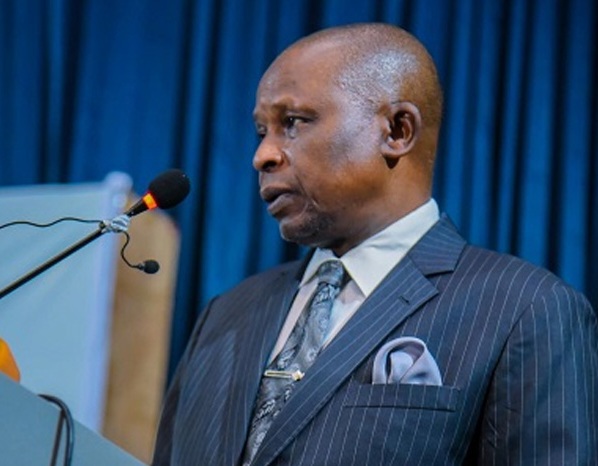
Fagbemi, who was represented by Fernandez Marcus-Obiene, Special Assistant to President Bola Tinubu on Justice Sector Reform and ICT/Digital and Innovative Technology, said the hospitality industry had an important role to play in protecting the integrity of the electoral process.
Speaking on the theme, “The Hotel at the Centre: Money, Elections, Security,” he urged hoteliers to provide relevant information to security agencies when legally required, while maintaining professionalism and complying with applicable regulations.
He also called for political neutrality among hotel operators, warning against practices that could expose their businesses to security and legal complications during the electioneering period.
Hotels are expected to receive increased numbers of politicians, campaign teams, journalists, business executives and security personnel as preparations for the 2027 polls intensify.
The government’s warning places renewed attention on the responsibilities of hospitality operators in preventing their premises from being used for unlawful activities, including suspicious financial transactions and other security-related offences.
The conference brought together stakeholders in hospitality, law enforcement, anti-money laundering compliance and tourism to discuss the growing intersection of hotel operations, financial transactions and electoral security.
HOTELS MUST BE PREPARED — CONVENER
The convener of the conference and Group Managing Director of Charis Ultimo Hotels Limited, Lugard Agbomoagan, said hotels had evolved beyond providing accommodation to becoming important centres for tourism, foreign investment, cross-border transactions and business activities.
He said the increasing complexity of the industry required operators to understand their legal obligations and prepare for emerging security risks.
“Our central question is simple: When money, politics, security and cross-border business enter the hotel, who guides the hotelier?” Agbomoagan asked.
He stressed that the conference was not intended to portray hotels as places of danger or suspicion, but to encourage preparedness, professionalism and regulatory compliance.
According to him, hotel operators must know how to protect guests and employees, meet financial and regulatory obligations, and respond appropriately when security concerns arise.
Agbomoagan said the approaching electoral cycle made the discussions particularly important, given the likelihood of hotels hosting political meetings and accommodating people involved in election-related activities.

He also highlighted the need for operators to understand the legal and operational challenges associated with international guests, business dealings and cross-border payments.
Speaking on security arrangements at The JAGZ Hotel, he disclosed that the facility operated a dedicated Surveillance Unit that monitored activities within the premises around the clock through CCTV cameras.
“We do not just have CCTV cameras at The JAGZ Hotel. We have a department called the Surveillance Unit, where personnel monitor the CCTV feeds and observe what is going on around the hotel every single second,” he said.
He explained that the conference was designed to bring together different stakeholders to develop practical responses to challenges facing the hospitality industry.
OYO HOTELS RISE FROM 1,000 TO OVER 12,000
Meanwhile, the Oyo State Government has disclosed a significant expansion in the state’s hospitality industry, with the number of hotels reportedly increasing from slightly above 1,000 when Governor Seyi Makinde assumed office to more than 12,000.
The Commissioner for Culture and Tourism, Dr Wasiu Olatubosun, who represented the state government at the conference, attributed the growth to changes in the state’s economy and the expansion of hospitality-related businesses.
However, Olatubosun expressed concern that some hotel operators were not providing adequate data required by the government for planning, regulation and revenue administration.
He urged operators to cooperate more closely with the government, stressing the importance of reliable industry data in developing tourism and expanding the state’s revenue base.
EFCC WARNS AGAINST SUSPICIOUS PAYMENTS
The Economic and Financial Crimes Commission also urged hoteliers to tighten their financial compliance procedures and exercise greater scrutiny over customers and transactions.
The Zonal Coordinator of the commission’s Special Control Unit Against Money Laundering in Ibadan, Toyin Ehindero-Benson, advised operators to minimise cash transactions, scrutinise questionable third-party payments and ensure that transactions were consistent with customers’ known profiles and business activities.
She encouraged hotels to use the banking system for high-value payments and ensure that transactions meeting applicable reporting thresholds were properly examined and documented.
Ehindero-Benson said the EFCC was working with compliance officers to strengthen communication and information sharing within the industry.
The conference also examined destination hospitality, guest and employee safety, tourism development, and cooperation between private businesses, security agencies and regulatory authorities.
With the 2027 elections approaching, the discussions underscored the need for hotel operators to balance customer service and business interests with their legal obligations, security responsibilities and commitment to political neutrality.
Don’t Miss Out! Join our WhatsApp Channel for instant news updates. Click here to join