
The Lagos State Government is banking on toll revenue to attract private investors to the proposed Fourth Mainland Bridge, with Deputy Governor Obafemi Hamzat warning that reluctance by motorists to pay tolls could scare away financiers.
Hamzat said the state could not afford to fund the massive infrastructure project entirely from its coffers while also financing major rail projects, making private-sector investment critical to its delivery.
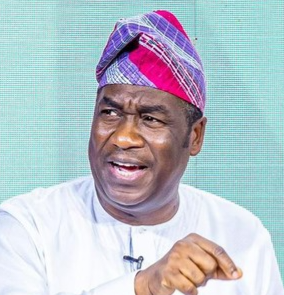
Speaking on Lagos Television on Tuesday, Hamzat, who is the All Progressives Congress governorship candidate, disclosed that the government was negotiating with prospective investors from Portugal, China and other countries.
He said the government had completed the bridge’s design and cost assessment and engaged private-sector professionals to support discussions with potential financiers.
According to Hamzat, Lagos opted for a public-private partnership arrangement rather than borrowing to fund the project, citing the financial burden additional debt could impose on the state.
“The Fourth Mainland Bridge is a fantastic project that we must build, but we cannot fund it on our balance sheet and fund rail at the same time. They are both monster projects, so we’ve been talking to investors,” he said.
However, he identified toll collection as a critical factor in convincing investors to commit their money, explaining that they would need a reliable means of recovering their investments and making profits.
“When we pay tolls on our road, and we stop it, investors are not going to come. How do they get their money? Return on investments. How will they get it?” he asked.
The deputy governor said some prospective investors had expressed concerns about motorists’ reluctance to pay tolls, particularly where toll collection had previously been discontinued.
He explained that the state was presenting traffic data and other relevant information to prospective financiers to demonstrate the expected volume of road users and the bridge’s potential to generate revenue.
The government’s position suggests that the proposed bridge’s financing will depend not only on securing investors but also on convincing them that toll collection can provide sufficient returns on their investments.
The Fourth Mainland Bridge is planned as an additional major transport route across Lagos, with the aim of easing pressure on existing roads and improving movement across the state.
However, financing and rising construction costs have remained major challenges for the project, which has been under consideration by successive state administrations.
Hamzat maintained that Lagos remained committed to delivering the bridge but did not want to shoulder the entire financial burden through public funds or additional borrowing.
Instead, the government intends to rely on private investment under a partnership arrangement in which toll revenue would help investors recover their capital.

His comments place motorists’ willingness to pay tolls among the key issues that could shape the funding and eventual delivery of the long-awaited project.
Don’t Miss Out! Join our WhatsApp Channel for instant news updates. Click here to join