
The Independent National Electoral Commission (INEC) has warned media organisations against publishing or announcing fake and unverified election results during the 2027 general elections.
INEC Chairman, Prof. Joash Amupitan, SAN, said the growing use of artificial intelligence, deepfake videos and cloned voices had made election disinformation a major threat to the credibility of the polls.
Amupitan spoke yesterday at the 22nd All Nigeria Editors Conference in Enugu, where he urged editors and online publishers to verify election-related information before putting it in the public domain.
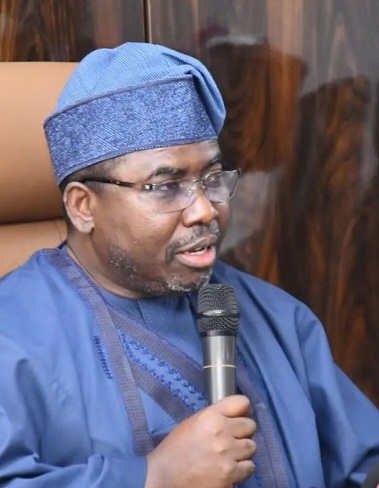
Represented by the Resident Electoral Commissioner for Enugu State, Dr Chukwuemeka Chukwu, the INEC chairman stressed that the statutory authority to declare election results rests exclusively with the commission.
He particularly warned media organisations against publishing figures privately collated by political parties, candidates or other groups and circulated on social media.
According to him, such figures could create conflicting narratives, mislead voters and undermine confidence in the official results.
He said: “In national elections, it is vastly more important to be right than to be first.”
Amupitan said the threat was no longer limited to ordinary fake news, as technology had made it possible to manufacture highly convincing videos, audio recordings and documents.
He explained that political saboteurs could create fake videos showing electoral officials purportedly announcing results, clone the voices of INEC officials or circulate doctored result sheets designed to look genuine.
He warned that such materials could be released immediately after voting to create the impression of electoral fraud even before the official collation process begins.
The INEC chairman said the danger of synthetic disinformation was that it could make Nigerians doubt even genuine information released by legitimate authorities.
He urged news organisations to establish specialised fact-checking desks and deploy digital verification and forensic tools to detect manipulated content.
Amupitan disclosed that INEC had also established a dedicated Artificial Intelligence Division within its ICT Department and was deploying automated AI auditing tools in its results management process.
He said the technology would help the commission detect discrepancies before final verification, while human officials would retain oversight of the process.
The INEC chairman also urged the media to educate Nigerians on how to identify deepfakes, fake letterheads, manipulated result sheets and other forms of AI-generated content.

He said: “Let’s resist premature result declarations. Under the Electoral Act, statutory authority to declare election results rests exclusively with INEC.”
Amupitan warned that rushing to publish sensational but unverified election claims could give credibility to deliberate attempts to manipulate public opinion.
He appealed to editors to ensure that their platforms did not become channels for spreading unverified election figures ahead of the 2027 polls.
He also linked credible election reporting to the welfare of journalists, saying poorly remunerated journalists and financially neglected newsrooms could become vulnerable to inducement.
“A poorly compensated journalist is vulnerable; a financially neglected newsroom is fertile ground for compromise,” he said.
He disclosed that INEC had introduced the Consolidated Election Management Body Salary Structure (CEMBSS), separating its workforce from the regular Civil Service salary structure with effect from January 1, 2026.
Meanwhile, Emeritus Catholic Archbishop of Abuja, John Cardinal Onaiyekan, called for the establishment of special election tribunals to resolve electoral disputes within clearly defined timeframes.
Former Nigerian Bar Association President, Mazi Afam Osigwe, SAN, urged Nigeria to find ways of reducing the courts’ involvement in determining electoral outcomes, while Prof. Pat Utomi stressed the need to strengthen democratic institutions.
The conference, themed “The Ballot, the Media and the Task of Keeping Democracy Alive,” was attended by editors and other stakeholders in the Nigerian media and electoral space.
Don’t Miss Out! Join our WhatsApp Channel for instant news updates. Click here to join