

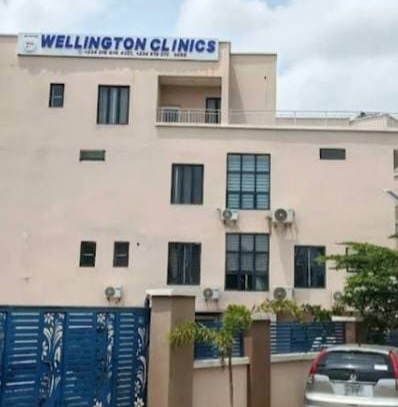
An Abuja hospital at the centre of a growing kidney trafficking controversy, Wellington Clinics, has suspended its renal transplant services and denied any involvement in alleged illegal organ trading.
Wellington Clinics, in a statement on Tuesday, said it neither participated in nor benefited from any financial transaction between a kidney donor and recipient, insisting that the hospital was only a venue where a medically supervised transplant procedure took place.
The hospital’s decision came amid a police investigation into an alleged organ harvesting and human trafficking syndicate operating between Abuja and Nasarawa State.
The controversy erupted after the Nigeria Police Force arrested four suspects, including two medical doctors linked to the facility, over allegations that a 22-year-old man, identified by investigators as Samuel Ezekiel, was deceived into donating a kidney.
Police alleged that the young man was lured into the procedure and paid $1,250 (about N1.7 million) for his kidney.
The case has triggered fresh concerns over illegal organ trading in Nigeria, where security agencies have repeatedly warned about criminal networks targeting vulnerable persons for exploitation.
Hospital: We Had No Role in Alleged Deal
Wellington Clinics, however, rejected the allegations, saying there was no evidence that the hospital was involved in any form of organ trafficking.
The facility said it had suspended all kidney transplant-related activities pending the outcome of investigations into the April 24, 2026 operation.
In a statement signed by its Director of Administration, Yemi Olatunbosun, the hospital said its role was limited to providing an equipped operating theatre and medical environment for the procedure under a facility rental arrangement.
The clinic said the transplant was carried out by a specialist team led by Senior Consultant Nephrologist and Chief Executive Officer of Crown Medical and Kidney Centre, Dr Benjamin Oyimeh.
“Wellington Clinics did not participate, facilitate, negotiate, or benefit from any transactional arrangements,” the hospital stated.
It added that the consultant-led team was responsible for patient recruitment, donor evaluation, compatibility checks, informed consent, ethical screening and other medical and legal requirements.
Identity Twist in Kidney Operation
According to the hospital, its records showed that the donor was admitted as Abubakar Hassan, not Samuel Ezekiel, and that he presented several official documents before the surgery.

The documents, the hospital said, included a court affidavit, National Identification Number slip, birth certificate from the National Population Commission, affidavit of consent and statutory declaration of age.
The donor was also accompanied by a man identified as Abubakar Isa, who was presented as his brother.
Wellington said the donor underwent a left donor nephrectomy — a procedure to remove a kidney — on April 24 and the kidney was successfully transplanted into a patient suffering from end-stage kidney failure.
The hospital said neither the donor nor recipient died during or after the procedure.
It added that the donor was discharged on April 28, four days after the operation, and was later readmitted in July for wound management and removal of remaining stitches before being discharged again.
Police Probe Alleged Identity Manipulation
The police investigation, however, is focused on allegations that the donor’s identity was altered and that vulnerable young people may have been recruited through deception to undergo kidney removal.
Investigators reportedly suspect that false documentation may have been used to facilitate the transplant.
The police have not concluded their investigation, and no court has established the guilt of the hospital, doctors or any other person connected with the case.
Wellington maintained that it had no reason to suspect that the documents presented during admission were false.
“Since the records department relied on the documents submitted on admission, we were not aware or suspicious of any misrepresentation or manipulation of identity at the time,” the hospital said.
Growing Concern Over Illegal Organ Trade
The development has renewed public attention on Nigeria’s organ donation system and the dangers of illegal organ markets.
Under Nigerian law, organ donation must be voluntary and guided by ethical standards, with strict requirements for consent and medical oversight. Payments or coercion involving organ donation remain a major concern because of the risk of exploiting poor and vulnerable individuals.
As police continue their investigation, attention remains focused on how the alleged syndicate operated, who recruited the donor, and whether medical professionals involved in the procedure breached any regulations.
Wellington Clinics said it would cooperate fully with authorities and await the conclusion of the investigation before making further decisions on its transplant services.