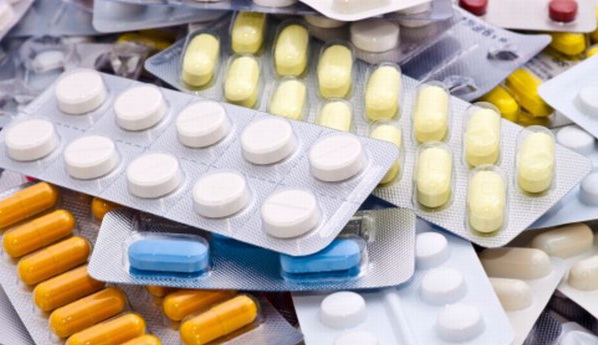
A medical expert has warned Nigerians against rushing to buy malaria drugs whenever they experience fever or headaches without first undergoing laboratory tests to establish the cause.
Professor of Medical Parasitology at the University of Lagos, Wellington Oyibo, said treating every fever as malaria could lead to wrong medication, delayed treatment and avoidable deaths.
He stressed that fever was a symptom of several illnesses and should not automatically be interpreted as malaria.
Oyibo gave the warning on Thursday during a capacity-building programme for laboratory personnel in Ogun State, where 44 professionals drawn from different local government areas received training in malaria and tuberculosis diagnosis.
He urged Nigerians to insist on proper laboratory tests before taking antimalarial drugs, warning that treating an illness that a patient did not have could worsen the situation.
According to him, other diseases could produce symptoms similar to malaria, leaving patients exposed to inappropriate medication while the actual illness remains untreated.
Oyibo, who is also Director of the Centre for Transdisciplinary Research in Malaria and Neglected Tropical Diseases, said changing patterns of malaria infection had made accurate diagnosis increasingly important.
He explained that the training was designed to improve laboratory testing and expand access to reliable diagnosis, particularly in rural communities.
The programme was supported by the Global Fund in collaboration with the National Malaria Elimination Programme.
The professor also disclosed that national malaria prevalence had dropped from 42 per cent in 2010 to 15 per cent, while Ogun State’s prevalence had fallen from about 22 per cent to six per cent. However, the periods covered by the latest figures were not specified.
A representative of the National Malaria Elimination Programme, Dr Simon Ijezie, also called for stronger laboratory diagnosis, insisting that not every fever should be blamed on malaria.
He said proper testing would help identify patients suffering from other illnesses and prevent the unnecessary use of antimalarial drugs.
Ijezie added that the programme remained committed to sustaining the gains recorded through targeted interventions and improved diagnosis.
Also speaking, the College Secretary of the College of Nursing, University of Lagos, Dr Olayinka Obafemi-Moses, said the training was part of efforts to strengthen medical research and improve disease management.
He said participants would acquire microscopy skills to identify malaria parasites and improve tuberculosis diagnosis.
Obafemi-Moses described the inclusion of tuberculosis in the programme as a welcome development, noting that the initiative had also been extended to several states.
He equally warned against self-medication, particularly the habit of purchasing malaria drugs whenever people developed fever or headaches without establishing the underlying cause.
The World Health Organisation recommends that suspected malaria cases be confirmed through laboratory microscopy or rapid diagnostic tests before antimalarial treatment is administered. Those who test negative should be examined for other possible causes of fever.
Don’t Miss Out! Join our WhatsApp Channel for instant news updates. Click here to join