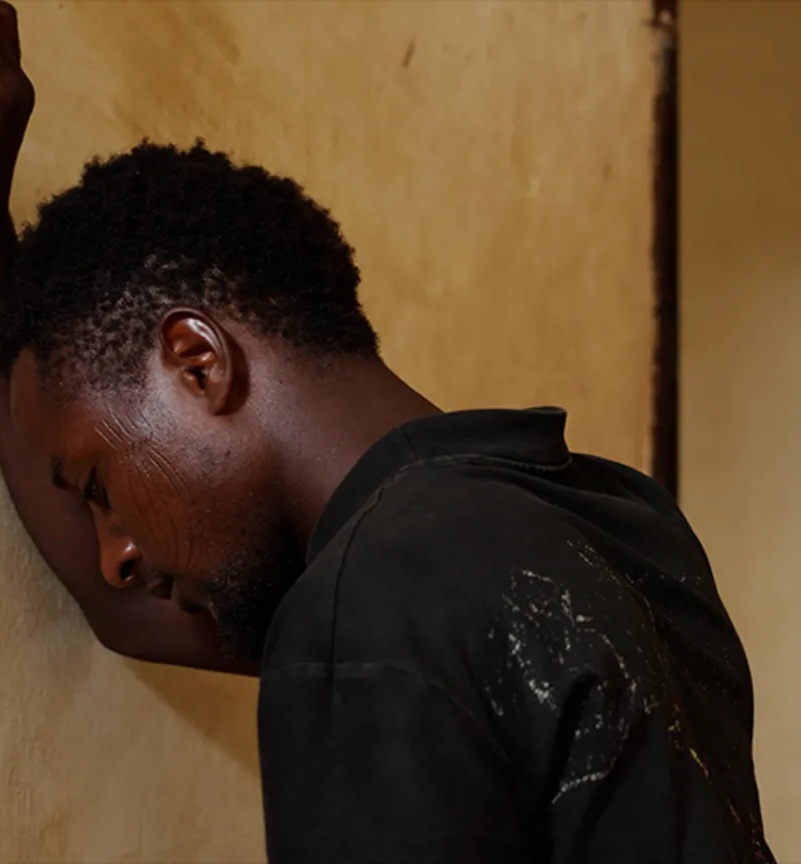
A 25-year-old debtor, Emmanuel Emeka, detained over a civil dispute unrelated to illegal mining, was among 33 persons who died in the custody of the Nigeria Security and Civil Defence Corps in Minna, Niger State, according to a Federal Government investigative panel.
The panel, in its report submitted to the Minister of Interior, Olubunmi Tunji-Ojo, on Tuesday, said Emeka was arrested on September 12, 2026, over a debt recovery matter involving Okoma Pharmacy Ltd., Minna.
He remained in custody until his death between September 16 and 17 alongside suspected illegal miners.
The committee described Emeka’s arrest and detention as unlawful, saying he was held without a warrant over a civil dispute that did not justify his continued incarceration.
The report stated that Emeka’s detention raised serious questions about the conduct of the officers involved, recommending further investigation into the circumstances surrounding his arrest and death, including the alleged roles of the pharmacy proprietor, Dr Wilfred Ugwu, and the NSCDC Area Command in Mokwa.
According to the panel, a Deputy Superintendent of Corps, Musa Marafa of the NSCDC Tracking Unit, arrested Emeka, while the Head of the Investigation Unit, Chief Superintendent of Corps Sunday Oluwadare, authorised his detention.
It recommended that the roles of the officers and other individuals connected to the incident be investigated further to establish responsibility and ensure accountability.
“DSC Musa Marafa unlawfully arrested and detained Emmanuel Emeka in relation to a civil debt dispute, contributing directly to his continued unlawful detention until death, along with the arrested miners.
“The committee also established that some detainees had already been held beyond lawful detention periods, including Emmanuel Emeka, who had been detained in connection with a civil debt matter unrelated to mining activities,” the report stated.
The committee’s findings revealed that 14 of the 33 deceased detainees were minors, some as young as 11, who were held alongside adults in a poorly ventilated cell measuring approximately 12 square metres.
According to the report, about 50 male detainees were confined in the cell, which NSCDC officers acknowledged was unsuitable for such a number.
The facility reportedly had inadequate ventilation, no running water, poor lighting and a non-functional toilet.
The committee maintained that the deaths were preventable and resulted from environmental asphyxia, acute respiratory failure, heat stress and dehydration, rather than the disease outbreak initially announced by the suspended Niger State Commandant, Suberu Aniviye Siyaka.
The report stated that the victims died under conditions that could have been prevented through timely intervention, adequate ventilation and emergency medical assistance.
It said the deaths occurred between 8:00pm on September 16 and 7:00am the following day, after detainees repeatedly shouted for help, banged on the cell doors and pleaded for water, but their distress signals were ignored.
“The officers responsible for the cell failed to open it or arrange emergency assistance despite repeated warnings that the detainees were in distress,” the report stated.
One of the officers, an Assistant Superintendent of Corps, Hassan Mohammed, who was on night duty, reportedly admitted hearing desperate cries and wailing but did not open the cell. He cited instructions from his superior, Superintendent of Corps Usman Ndamaka, not to do so without armed backup.
The committee said Ndamaka had directed that the cell should not be opened under any circumstances, allegedly fearing that the detainees’ commotion could be an attempt to escape.
He also reportedly failed to respond to an emergency call from Hassan on the night of the incident.
The report further revealed that an NSCDC medical personnel, Assistant Corps member Mariam Nelson, had warned cell guards that overcrowding could lead to suffocation and advised them to leave the metal door unlocked to improve ventilation.
However, the committee said the medical warning was ignored despite the potential danger posed by the number of detainees confined in the facility.
The investigation established that 33 bodies were officially recorded as brought dead to the General Hospital, Minna, while six surviving detainees received treatment and were discharged.