
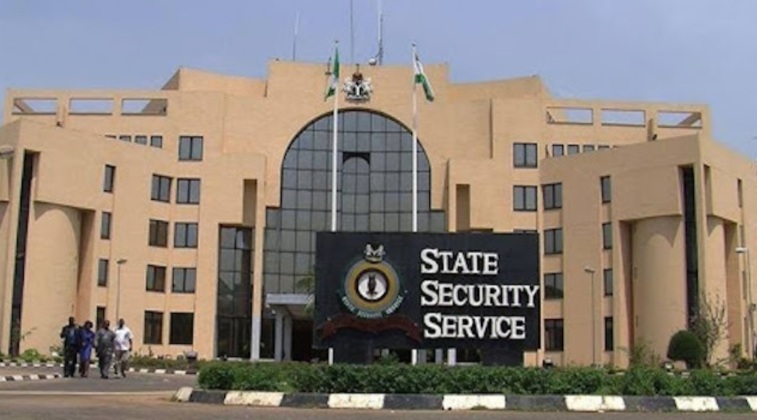
The Nigerian Army has launched a probe into the leakage of a classified Department of State Services (DSS) intelligence report warning of planned attacks by suspected Boko Haram insurgents and bandits in parts of Adamawa and Borno states.
The investigation was reportedly ordered after the confidential document, originally sent to alert troops to impending attacks, found its way into the public domain.
Senior officers at the 232 Battalion in Yola, Adamawa State, are said to be working to identify the personnel who leaked the document.
A security source familiar with the development said the report had been officially received and entered into the battalion’s registry before it was leaked.
The source said an officer allegedly took a photograph of the document and circulated it for reasons known only to the individual.
According to the source, the leak has also sparked unnecessary fear among residents, despite the DSS issuing the warning discreetly to enable the military to take preventive measures.
Another military officer confirmed the investigation, describing the leak as a serious act of sabotage that could threaten national security.
He said the Army was determined to identify everyone involved, insisting that no individual’s personal interest should be allowed to endanger the country’s security.
The leaked DSS report, dated July 27, 2026, was addressed to the Commander of the 23 Armoured Brigade in Yola.
The intelligence report said suspected Boko Haram insurgents were planning coordinated attacks in Michika Local Government Area of Adamawa and Askira Uba Local Government Area of Borno following the reported breakdown of a ceasefire arrangement.
The terrorists were allegedly planning to abduct senior government officials, councillors, district heads, religious leaders and other residents in the affected communities.
The district head of Michika and his son were also reportedly listed among the potential kidnapping targets.
The DSS further warned that the insurgents had deployed surveillance teams to monitor activities in the affected areas ahead of the planned attacks.
To counter the threat, the agency advised the Army to work with forest guards and local hunters to strengthen security in vulnerable communities and frustrate the planned operations.