Parents, teachers and religious leaders who beat children could face fresh legal consequences as the Federal Government moves to completely outlaw corporal punishment in homes, schools, churches and other institutions.
The proposed crackdown is part of sweeping amendments to the Child Rights Act, 2003, which also seek tougher penalties for child abuse, female genital mutilation (FGM), child marriage and other forms of violence against minors.
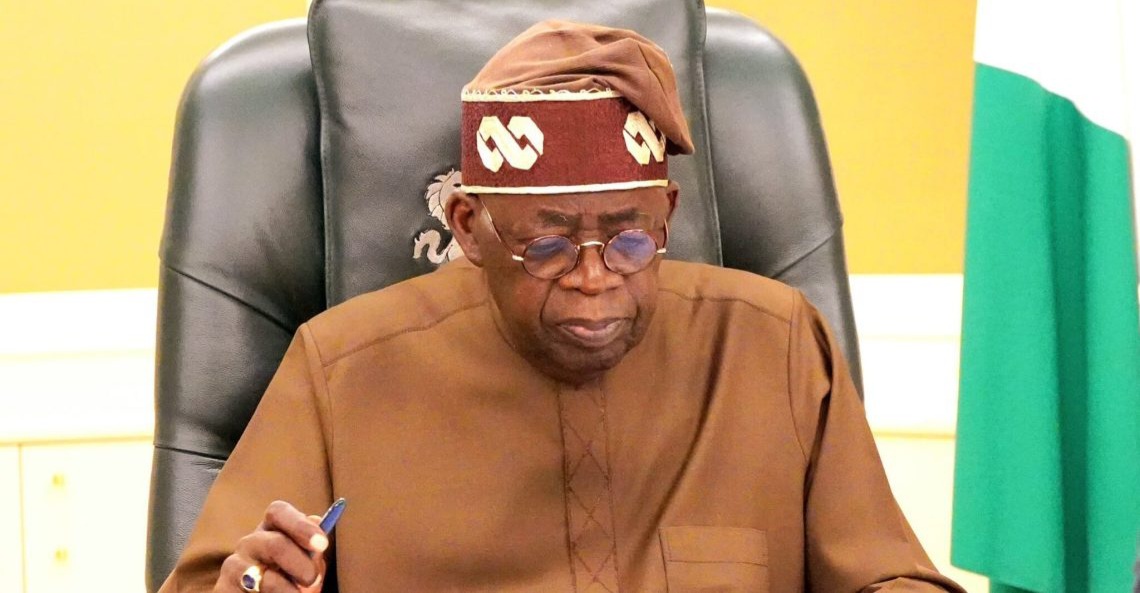
President Bola Tinubu has also approved the establishment of a National Child Protection Agency to coordinate, monitor and strengthen efforts to protect children across the country.
The Minister of Women Affairs, Hajiya Imaan Sulaiman-Ibrahim, disclosed the presidential approval on Tuesday during a stakeholders’ validation exercise on the review of the Child Rights Act in Abuja.
Under the proposed amendments, corporal punishment and degrading treatment of children would be prohibited in homes, schools, religious institutions and care facilities.
The proposals could significantly change how parents, teachers, caregivers and religious institutions discipline children, as the government seeks to replace physical punishment with stronger child protection safeguards.
The proposed reforms also target individuals who facilitate child marriages, while seeking stiffer penalties for female genital mutilation.
Other areas covered include rape, sexual abuse, human trafficking, child labour, online exploitation, grooming and other forms of violence against children.
The draft amendment further proposes mandatory reporting of child abuse, protection for individuals who report such cases in good faith, specialised investigation procedures and improved access to medical, psychological and legal assistance for victims.
Speaking at the event, the Head of Nigeria Programmes of the International Institute for Democracy and Electoral Assistance (International IDEA), Danladi Plang, said the review had become necessary because children continued to suffer different forms of abuse while existing laws had failed to adequately address changing social and technological realities.
He explained that the proposed amendments were designed to establish a comprehensive child protection framework covering prevention, reporting, investigation, prosecution, victim support and accountability.
Plang said the exercise was not intended to impose foreign laws on Nigeria but to develop legislation that reflects the country’s realities while drawing useful lessons from other jurisdictions.
He recalled that although the Child Rights Act was enacted in 2003, it took almost two decades for states to adopt it, with Kano State among the last to do so in 2023.
In his keynote address, the Attorney-General of the Federation and Minister of Justice, Prince Lateef Fagbemi, said the review was aimed at bridging the gap between the rights guaranteed to children under the law and their actual experiences in homes, schools, communities and justice institutions.
Fagbemi said a National Review Committee chaired by Justice Suzzette Eberechi Nyesom-Wike of the Court of Appeal was established to drive the process, alongside five thematic groups that examined different provisions of the existing law.
He disclosed that the proposed amendments also seek to strengthen the child justice system, particularly in the treatment of children who come into contact with the law as victims, witnesses or offenders.
According to him, the best interests of the child must guide the administration of justice, with emphasis on rehabilitation, diversion, restorative justice and reintegration.
He maintained that detention should remain a last resort and, where unavoidable, should be for the shortest appropriate period.
The Attorney-General, however, cautioned that passing new laws alone would not end child abuse, stressing the need for effective institutions, adequate funding, public awareness and sustained political commitment.
He said the Justice Ministry would undertake further legal and legislative drafting, harmonise recommendations from the validation exercise and prepare the amendment Bill for consideration by the appropriate authorities before subsequent legislative action.
The proposed amendments are yet to become law, meaning the existing legal framework remains in force pending completion of the legislative process.
Don’t Miss Out! Join our WhatsApp Channel for instant news updates. Click here to join