
The Federal Government has set a December deadline for the 2026 national ranking of Nigeria’s tertiary institutions, with universities, polytechnics and colleges of education now set to come under one assessment system.
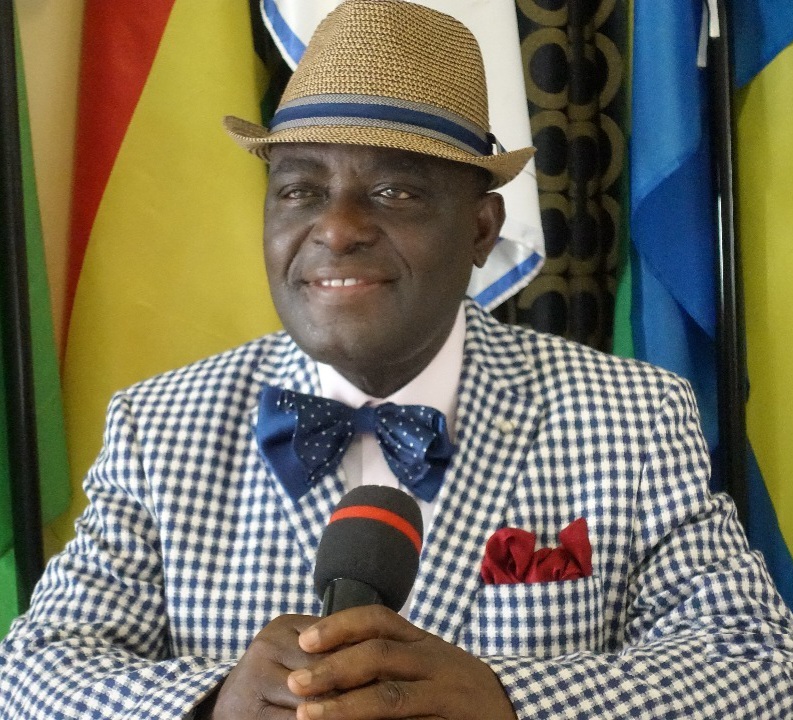
Former Executive Secretary of the National Universities Commission (NUC), Emeritus Prof Peter Okebukola, disclosed this on Tuesday while speaking on the government’s expanded ranking programme.
Okebukola, who chairs the Nigerian Universities Ranking Advisory Committee, said the 2026 ranking exercise would be completed before the end of the year, dismissing fears that the new arrangement could push the exercise into another academic session.
“On the question of timeframe for implementing the ranking, the 2026 edition will happen before the end of the year,” he said.
The development followed the Federal Government’s decision to transform the Nigerian Universities Ranking Advisory Committee into the Nigerian Tertiary Education Ranking Advisory Committee, expanding its mandate beyond universities.
Under the new arrangement, all tertiary institutions will be required to participate in the national ranking exercise.
Education Minister, Dr Tunji Alausa, announced the policy in Abuja during a meeting with members of the ranking committee.
According to Alausa, the move is part of the government’s education reforms under President Bola Tinubu’s Renewed Hope Agenda and the Nigeria Education Sector Renewal Initiative.
He said the ranking system would provide measurable benchmarks for institutions, expose areas of weakness and encourage schools to improve their performance and global competitiveness.
The minister also said the ranking would promote healthy competition among public and private tertiary institutions while strengthening accountability and quality across the sector.
But with the scope of the exercise now significantly expanded, questions have been raised about whether the committee has enough manpower to handle the task.
Okebukola, however, played down the concern, pointing out that major international ranking systems operate with relatively small teams.
“Did you know that all the global ranking systems have less than 10 people implementing their activities?” he asked.
He added that the expanded committee would advise the minister on the appropriate criteria for assessing the different categories of institutions once it is fully constituted.
Alausa had earlier disclosed that the 2026/2027 university ranking exercise would commence in September, while the new committee would determine the appropriate timeline for bringing polytechnics and colleges of education into the exercise.

The Federal Government is also expected to fund the programme through the Tertiary Education Trust Fund (TETFund), develop guidelines for institutionalising the ranking system and notify heads of tertiary institutions that participation will be compulsory.
The Minister of State for Education, Prof Suwaiba Ahmad, described the initiative as a major step towards improving standards and accountability in the sector.
She said the ranking would compel institutions to regularly assess their performance, identify gaps and take steps to improve the quality of education they offer.
Okebukola said the committee’s renewed engagement with the government began after it congratulated the Tinubu administration on the growing number of Nigerian universities gaining recognition in global rankings.
The committee also called for increased investment in university education, which he said could help more Nigerian institutions improve their international standing.
With the new framework, the government is now moving towards a single national system in which universities, polytechnics and colleges of education will be measured against clearly defined performance indicators.
The immediate challenge for the expanded committee is to develop fair metrics capable of assessing institutions with different mandates.
But by December, the government expects the first results of the new-look national tertiary education ranking to provide a clearer picture of who is leading, who is lagging and where urgent improvements are needed.
Don’t Miss Out! Join our WhatsApp Channel for instant news updates. Click here to join