
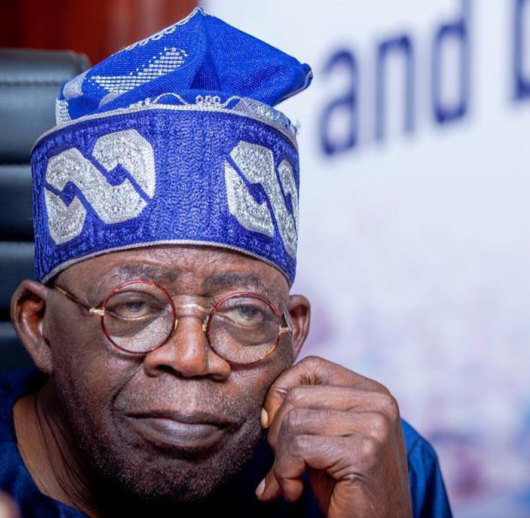
The Federal Government’s planned 30-day petrol discount has triggered a political backlash, with former Vice President Atiku Abubakar, the Obidient Movement, the Nigeria Democratic Congress (NDC) and the presidential campaign organisation of Oyo State Governor Seyi Makinde questioning the timing, scope and impact of the intervention.
The opposition groups accused President Bola Tinubu’s administration of offering temporary relief after years of soaring petrol prices and rising living costs, with some suggesting that the announcement was politically motivated ahead of the 2027 general elections.
But the Presidency has defended the initiative, insisting that it is not a return to the petrol subsidy regime abolished on May 29, 2023.
Under the arrangement announced on Thursday, the Nigerian National Petroleum Company Limited (NNPC) will temporarily forgo its retail profit margin and sell petrol at cost at its filling stations for 30 days, with priority given to commercial transport operators.
The announcement has also reopened debate over whether the government’s intervention amounts to a subsidy in another form, with energy experts divided over its potential benefits and the need for transparent implementation.
ATIKU: WHAT HAPPENS ON DAY 31?
Atiku described the initiative as a “panic-driven publicity stunt”, questioning why Nigerians should receive temporary relief only to face the same economic pressures when the 30-day period expires.
In a statement issued by Phrank Shaibu, Director of Strategic Communication of the African Democratic Congress Presidential Campaign Council, the former vice president accused the government of presenting a short-term measure as a solution to a deeper economic crisis.
“Atiku totally rejects this calendar-scheduled, election-laced subsidy package,” the statement said.
He argued that the initiative failed to address the underlying problems of high transport fares, rising food prices and the cost of living.
“What happens on Day 31?” Atiku asked, warning that Nigerians could return to the same punishing fuel prices once the discount expires.
The former vice president also questioned why the relief would be restricted to NNPC filling stations, asking whether the government had specified the actual discount per litre and established safeguards to ensure that transport operators passed the savings on to passengers.
Atiku said the move supported his longstanding argument for production support tied to locally refined petrol.
He advocated a capped and budgeted support mechanism for domestic refining, backed by safeguards to ensure that consumers benefit from any reduction in costs.
“Nigerians need lasting relief, not a countdown to the return of hardship,” he said.

He added: “Tinubu made life expensive. I will make life affordable again.”
OBIDIENTS QUESTION ELECTION TIMING
The Obidient Movement also questioned the timing of the intervention, asking why the government had waited more than three years after the removal of petrol subsidy before announcing the temporary discount.
In a statement by its Director of Media and Communications, Onyeka Dike, the movement linked the announcement to the approaching 2027 elections.
“For three years, Tinubu told Nigerians that the ‘baby steps of pain’ were necessary. Now, suddenly, a petrol discount is possible. So, what changed?” Dike asked.
He further questioned whether the policy shift was connected to Peter Obi’s position on fuel subsidy and the growing political contest ahead of the next general elections.
The movement argued that Nigerians had endured higher petrol prices, increased taxes, rising tuition fees and escalating food costs since the subsidy was removed.
“The pains were never necessary. They were policy choices,” Dike said.
He maintained that a month-long discount could not compensate Nigerians for years of economic hardship, calling for sustainable access to affordable fuel, food and education.
“Three years of suffering cannot be erased by 30 days of petrol discount,” he added.
NDC: ‘TOKENISM’ FROM FG
The Nigeria Democratic Congress dismissed the intervention as “tokenism and a Greek gift”, accusing the government of removing fuel subsidy without adequate consultation or measures to cushion the impact on citizens.
The party’s National Publicity Secretary, Osa Director, argued that the latest announcement would not reverse the economic consequences of the policy, including business closures and job losses.
“Nigerians cannot be deceived,” he said.
Director also questioned whether NNPC filling stations could adequately serve the country’s large population, warning that concentrating discounted sales at the outlets could lead to congestion and other difficulties.
He described the arrangement as an attempt to reintroduce petrol subsidy through the backdoor.
The party urged Nigerians to support Peter Obi and other NDC candidates in the 2027 elections, declaring: “A New Nigeria is POssible with Obi.”
MAKINDE’S CAMP: N60 DISCOUNT A ‘SLAP’
The Allied Peoples Movement Presidential Campaign Organisation associated with Makinde also criticised the intervention, describing it as inadequate compared with the increases in petrol prices experienced by Nigerians.
In a statement by its Director of Strategic Communications, Richard Ihediwa, the organisation said the government had announced what it described as a N60-per-litre discount when citizens were expecting a more substantial reduction.
“It is a slap in the face of the suffering citizens,” the statement said, describing the reduction as “infinitesimal” and “microscopic”.
The campaign organisation questioned why the administration had implemented steep petrol price increases but was now offering what it considered a marginal reduction.
It also faulted the decision to limit the intervention to NNPC-owned retail outlets for just one month, arguing that the arrangement would do little to ease the broader cost-of-living crisis.
“What Nigerians desired and deserve is an impactful reduction in fuel price and not this dishonest act to hoodwink citizens ahead of the 2027 general elections,” the statement added.
The criticisms from the opposition have placed the government’s latest fuel intervention under renewed scrutiny, particularly over how much motorists and commuters will actually save and what happens after the 30-day period.