
The International Monetary Fund (IMF) has warned the Federal Government against restoring a blanket petrol subsidy, urging President Bola Tinubu’s administration to provide targeted financial support to vulnerable Nigerians instead.
The global financial institution said a general fuel subsidy would place additional pressure on government finances, arguing that wealthier consumers often benefit disproportionately from such interventions.
Rodrigo Valdés, Director of the IMF’s Fiscal Affairs Department, gave the warning on Wednesday during a briefing on the fund’s Fiscal Monitor at the 2026 annual meetings of the IMF and World Bank in Bangkok, Thailand.
His remarks came amid growing concerns over the impact of rising petrol prices on transportation costs, inflation and poverty, as well as calls for the government to reconsider subsidy removal ahead of the 2027 general elections.
Responding to concerns that allowing fuel prices to reflect market conditions could worsen hardship for Nigerians, Valdés maintained that protecting citizens should not mean keeping fuel prices artificially low.
“Protecting people is not the same as protecting the price of fuels,” he said.
According to him, fuel subsidies and other measures that prevent energy prices from adjusting fully to market shocks cost countries between one and 1.5 per cent of their gross domestic product in 2026.
Valdés described blanket subsidies as financially burdensome and poorly targeted, warning that they could worsen the fiscal challenges confronting governments already grappling with rising borrowing costs.
He urged governments to strengthen social safety nets and use household data to identify citizens who genuinely need assistance, rather than subsidising fuel consumption across the board.
“There are better tools to deal with this,” he said.
Nigeria has faced sustained public debate over the consequences of petrol subsidy removal, with rising transport fares and living costs fuelling demands for relief.
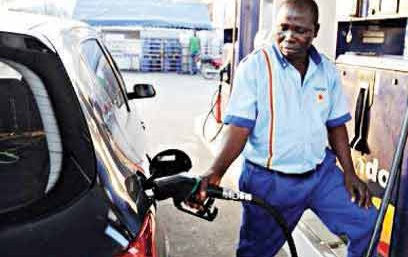
The Federal Government recently announced a 30-day petrol discount at Nigerian National Petroleum Company Limited retail outlets, with priority given to public transport operators, as part of efforts to cushion the impact of rising fuel prices.
The IMF’s latest position signals continued pressure on the government to resist a return to broad fuel subsidies and pursue targeted interventions to protect low-income households.
However, the debate over how best to ease the burden of high energy costs is likely to remain a major political and economic issue as Nigeria approaches the 2027 elections.
Don’t Miss Out! Join our WhatsApp Channel for instant news updates. Click here to join