
The Federal Government has revealed plans to introduce a five per cent tax on petroleum products, but implementation will be delayed until the economy stabilises and Nigerians’ incomes improve enough to accommodate the additional cost.
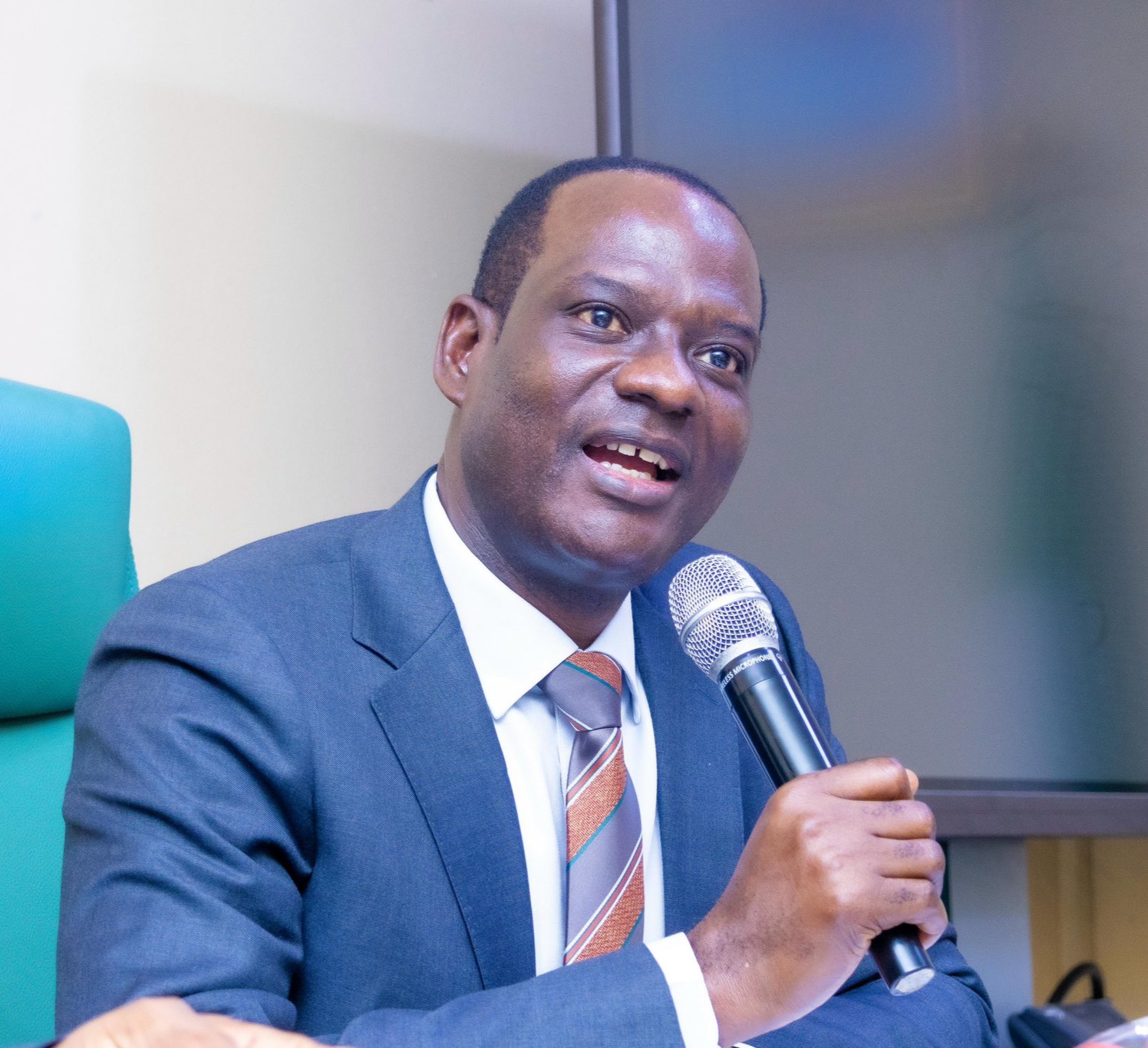
Minister of Finance and Coordinating Minister of the Economy, Taiwo Oyedele, disclosed this during an interview on the sidelines of the 2026 annual meetings of the International Monetary Fund and World Bank in Bangkok, Thailand.
Oyedele said the government would activate the proposed fuel surcharge at the appropriate time, insisting that it was not interested in imposing additional financial pressure on Nigerians already struggling with the rising cost of living.
The proposed levy, which is provided for in Nigeria’s tax framework, has faced opposition from organised labour and business groups over fears that it could trigger another round of increases in transportation, production and consumer prices.
According to Oyedele, revenue generated from the tax would be used to support road infrastructure and establish a fuel reserve to help cushion the impact of future price shocks.
“At the appropriate time, when the economy has stabilised and income level will be able to accommodate it, those taxes will come. Not because we want to impose taxes,” the minister said.
He argued that rather than attempting to control prices artificially, the government should focus on growing incomes faster than prices rise.
“The objective should be that instead of trying to suppress prices, which hasn’t worked for us, it hasn’t worked for any country in the world, not one, think about how to grow income faster than prices rise,” he said.
Oyedele added that the approach was intended to improve living standards, promote prosperity and expand Nigeria’s middle class.
The planned five per cent surcharge has previously generated strong opposition, particularly from the Trade Union Congress, which rejected the proposal in September 2025 and threatened nationwide industrial action.
In a statement signed by its President, Festus Osifo, and Secretary-General, Nuhu Toro, the union warned that another levy would deepen the hardship caused by petrol subsidy removal, inflation and the depreciation of the naira.
“Strike action is firmly on the table,” the union declared.
The Association of Small Business Owners of Nigeria also expressed concern that the additional charge could increase operating costs for businesses and worsen the financial difficulties facing households.
The government has traced the surcharge to the Federal Roads Maintenance Agency Amendment Act of 2007, which provides for funding road maintenance through petroleum-related revenue.
Former Finance Minister Wale Edun explained that 40 per cent of the proceeds would go to the Federal Roads Maintenance Agency, while 60 per cent would be allocated to state road maintenance agencies.

The government has maintained that incorporating the provision into its tax reforms was intended to harmonise existing legal provisions.
Explaining the proposed fuel reserve, Oyedele said it would help the government moderate prices if unexpected developments disrupted the petroleum market.
He added that the government could temporarily waive the tax during future price shocks to ease the burden on consumers.
The minister stressed that the surcharge could not take effect without a formal order published in the Official Gazette by the finance minister.
“The good thing is that the law says that tax cannot come into effect until there is a gazette. There has to be an order published in the gazette by the finance minister, which means we can’t do it in secret,” he said.
The proposed surcharge framework exempts household kerosene, cooking gas, compressed natural gas and clean or renewable energy products.
On June 16, 2026, the government had dismissed reports that it was introducing fresh taxes on petroleum products following recommendations in an IMF consultation report. It said the VAT waiver on petroleum products remained in place and that no process to activate the fuel surcharge was then under consideration.
Oyedele also compared Nigeria’s proposed arrangement with fuel taxation in other countries, noting that taxes account for between 20 and 80 per cent of pump prices in some jurisdictions, while several African countries impose multiple charges on petroleum products.
The fuel tax debate comes against the backdrop of President Bola Tinubu’s announcement of petrol subsidy removal during his inauguration on May 29, 2023, a decision that triggered sharp increases in pump prices and widespread complaints over the cost of transportation and essential goods.
Oyedele explained that the government initially managed the transition between subsidy removal and foreign exchange reforms to reduce the immediate impact on Nigerians.
According to him, government support for petrol prices and foreign exchange was completely removed in October 2023.
With the five per cent surcharge still requiring a formal ministerial order before implementation, the government says it will wait until economic conditions and income levels can accommodate the additional charge.
Don’t Miss Out! Join our WhatsApp Channel for instant news updates. Click here to join