

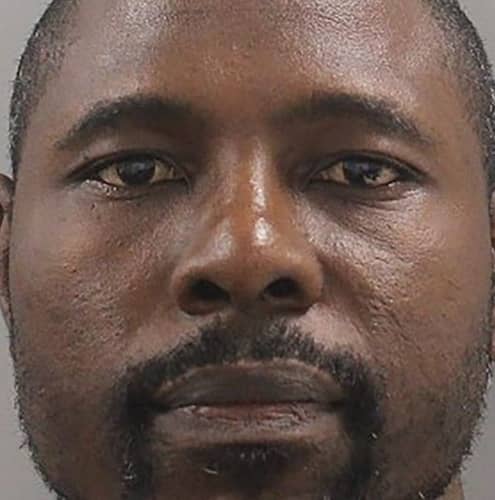
The family of Mr. Abraham Olarotimi Onifade, convicted in the United Kingdom in connection with marriage certificates, has publicly distanced itself from him, with relatives expressing anger over the damage caused to the family’s reputation.
In August, Mr. Onifade was sentenced at Woolwich Crown Court, alongside others, following allegations that thousands of certificates had been forged.
A widely circulated Home Office press release claimed that more than 2,000 certificates were falsified, a figure later disputed in court.
However, Nigerian media repeated the claim extensively, creating a perception that Onifade was central to one of the largest immigration scandals in the country’s history.
Community members in Abeokuta, Ogun State, say the Onifade family has since come under ridicule from rival families and neighbours, who accuse them of shame and dishonour.
In remarks attributed to senior family elders, the clan declared that Olarotimi “does not represent us,” and warned that he had been disowned if he returned.
“The name Onifade is built on integrity,” a family source said. “We are facing insults everywhere, not only in Abeokuta but from relatives across Nigeria and abroad. Many have vowed never to associate with him again.”
Observers note that this hostility goes beyond a localised dispute, claiming the stigma against Onifade is nationwide due to the repeated publicity the Home Office’s claims were given in national newspapers, television, and online platforms.
“Such publicity could discredit and prejudice every marriage certificate issued in Nigeria for future UK immigration applications, helping to explain the widespread anger.
“Internal relocation within Nigeria would not provide safety, as the notoriety of the case follows him across the country.
“Nor would state protection be a realistic safeguard. Family and traditional disputes are rarely taken up by Nigerian police, and elders’ declarations of disownment are often treated as private matters.
“When elders say someone is cast out, security agencies usually avoid involvement,” a community observer explained.
“The combined effect of family rejection, community hostility, and the national stigma rooted in the Home Office’s press release demonstrates the severe and ongoing risks to Mr. Onifade if he were forcibly returned to Nigeria,” an enthusiast added.