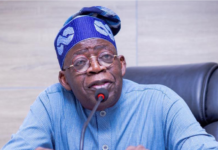
Thirty of Nigeria’s 36 State Houses of Assembly have endorsed the constitutional amendment paving the way for state police, putting pressure on governors to prove they can fund and manage the proposed security system without political interference.
The latest approvals came from Lagos, Niger, Kogi and Ebonyi states, taking the number of supporting assemblies to 30, above the constitutional requirement of 24 states.
The remaining steps include collating the endorsements and completing the required legislative process before the amendment is transmitted to President Bola Ahmed Tinubu for assent.
Meanwhile, the Presidency has challenged the organised private sector to develop a practical financing and implementation plan for the proposed state police system.
Chief of Staff to the President, Femi Gbajabiamila, made the call at the 32nd Nigerian Economic Summit in Abuja, where he said insecurity was driving away investments, disrupting supply chains and delaying business expansion.
Gbajabiamila, who chairs the Presidential Working Group on the National Policing Bill, urged the Nigerian Economic Summit Group, chambers of commerce and business associations to work with state governments and lawmakers on sustainable funding and accountable policing.
He warned that state police must not become tools for political persecution or fall under the influence of wealthy private interests.
According to him, states must demonstrate their ability to pay salaries, train officers and maintain equipment, rather than merely provide vehicles, uniforms and other start-up resources.
He also stressed that private-sector contributions must be transparent and must never buy influence over police investigations or secure preferential treatment.
Gbajabiamila assured that federal police services would remain available to states not ready to establish their own forces.
The proposed reform has continued to attract support, but concerns persist over whether governors can guarantee adequate funding, professional standards and independent oversight.
The Presidential Working Group had submitted the draft National Policing Bill and 29 related amendment bills to the Federal Ministry of Justice on October 19 for review.
Senate President Godswill Akpabio has also defended the initiative, which supporters believe could improve responses to local security threats.
However, the success of the reform will depend on whether state governments can establish effective police services without exposing citizens to political intimidation or unequal treatment.