
The Federal Government has finally broken its silence on the controversial savings from the removal of petrol subsidy, revealing that the reforms generated N15.8tn in additional resources for the Federation between June 2023 and December 2025.
The disclosure comes more than three years after President Bola Tinubu announced the removal of petrol subsidy, a policy that triggered sharp increases in fuel prices, transport fares and the cost of living across the country.
For months, Nigerians and opposition figures have demanded to know what happened to the money previously spent on subsidising petrol.
The government’s latest explanation is that the N15.8tn was never kept in a separate account labelled “subsidy savings”.
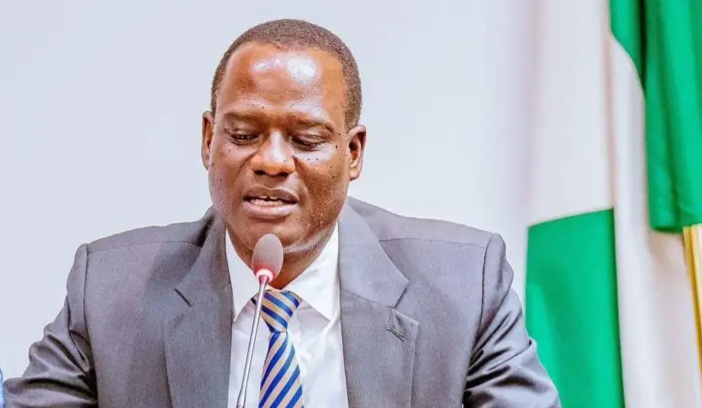
Instead, Finance Minister and Coordinating Minister of the Economy, Taiwo Oyedele, said the money was reflected through increased revenue accruing to the Federation as a result of the petrol subsidy removal and foreign exchange reforms.
Oyedele disclosed this on Wednesday while unveiling the Federal Government’s Nigeria Reform Scorecard, titled “The Benefits, Costs and Harm Prevented.”
According to him, only N5.4tn, representing about 34 per cent of the N15.8tn, accrued to the Federal Government.
The states received N6.5tn, while the 774 local governments got N3.9tn through the Federation Account allocation formula.
The minister explained that the removal of subsidy was not the only reform that generated additional resources.
He said the unification and flotation of the foreign exchange market also eliminated an implicit exchange-rate subsidy, which he claimed had benefited rent-seekers more than ordinary Nigerians and businesses.
Oyedele said the reforms increased the naira value of dollar-denominated revenues collected by agencies such as the Nigeria Customs Service and through petroleum-related taxes.
N30.6tn Spent
While N15.8tn was generated for the Federation through the reforms, the Federal Government said its total incremental expenditure during the period stood at N30.64tn.
The government’s additional resources amounted to N20.4tn, leaving a shortfall of N10.24tn.
The administration said the difference was funded from the existing revenue base.

A major chunk of the additional spending went into wages, debt servicing and infrastructure.
The government spent N9.39tn on wage adjustments, including the new minimum wage, wage awards and allowances for public servants.
Another N9.37tn went into servicing external debt, with the cost rising following the sharp depreciation of the naira.
Strategic infrastructure projects received about N6.47tn.
Together, the three areas accounted for more than N25tn of the additional expenditure.
Other spending included N3.14tn on increased electricity subsidy costs, N1.24tn on additional domestic debt servicing, N423.8bn on social welfare transfers and N419.1bn on various interventions involving the FCT, Ecological Fund and Natural Resource Fund.
The government also spent N201.26bn on the higher naira cost of foreign obligations.
Where Did The Money Come From?
The scorecard showed that the Federal Government’s N20.4tn in additional resources came from three major sources.
Borrowing accounted for N11.9tn, representing 58 per cent.
Subsidy-related savings contributed N5.4tn to the Federal Government’s share, while N3.1tn came from increased independent revenue, mainly higher remittances by government-owned entities.
Oyedele argued that borrowing would have been significantly higher without the fiscal space created by the reforms.
He maintained that the government did not allow the money to sit idle, insisting that it was deployed to meet rising government obligations.
Nigerians Still Feeling The Pain
The latest disclosure comes against the backdrop of persistent complaints over the economic hardship triggered by the reforms.
Since the subsidy was removed in May 2023, Nigerians have faced higher petrol prices, transport costs, food prices and general living expenses.
The Tinubu administration had repeatedly argued that the subsidy was draining government finances and promised to redirect the money into infrastructure, social programmes and other areas that would benefit citizens.
But the lack of a clear breakdown of the savings had fuelled criticism and suspicion over the policy.
Oyedele admitted that the reforms had imposed serious costs on Nigerians, including higher prices and a sharp adjustment in the value of the naira.
He, however, insisted that the government’s latest scorecard was intended to provide an account of both the gains and pains of the reforms rather than simply declare victory.
Information and National Orientation Minister, Mohammed Idris, also described the subsidy removal as one of the administration’s most difficult economic decisions.
He acknowledged the hardship caused by the policy but maintained that the reforms were necessary to move resources away from what the government described as an unsustainable subsidy system.
The Federal Government also argued that the reforms helped avert a deeper fiscal crisis by creating additional revenue and reducing dependence on monetary financing.
But despite the government’s explanation, the figures reveal the enormous scale of the fiscal pressures confronting the country: while N15.8tn was generated in additional resources for the Federation, the Federal Government’s incremental spending reached N30.64tn within the same period.
The administration insists, however, that the money has not disappeared—and that the latest figures provide the clearest account yet of where the subsidy savings went.
Don’t Miss Out! Join our WhatsApp Channel for instant news updates. Click here to join
ALSO READ:
Cement Shock! FG Probes Why Nigerians Pay More Than African Neighbours