The Independent National Electoral Commission (INEC) is facing pressure to explain how suspected artificial intelligence-generated photographs allegedly found their way into Nigeria’s voter register, with Professor Pat Utomi warning that the controversy raises serious questions about the credibility of the electoral process.
Utomi, a professor of political economy, raised the alarm in a post on social media, insisting that the electoral commission must not treat concerns about the authenticity of voter records lightly.
“INEC cannot afford to be careless with the credibility of Nigeria’s electoral process. The presence of AI-generated images in a register meant to support our democracy raises serious questions about verification, transparency and accountability. Our democracy is at stake here!” he wrote.
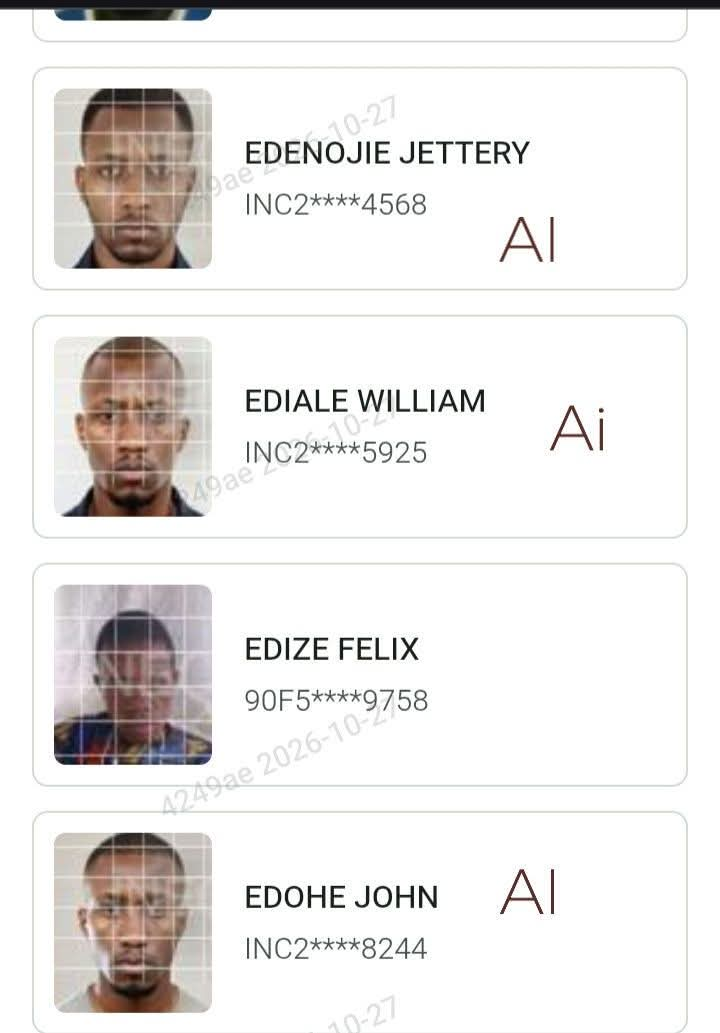
His reaction followed allegations circulating on social media over photographs suspected to have been generated using artificial intelligence and attached to entries in INEC’s preliminary voter register.
One of the reports pointed to records allegedly displayed for Ward 11, Uzairue South East, in Etsako West Local Government Area of Edo State, where questions were raised about the authenticity of some photographs appearing alongside voter information.
A social media user identified as Decosule, with the handle @SuleDeco, had challenged INEC to explain how the photographs entered the register and what verification procedures were used to authenticate the affected entries.
The user also questioned whether the records had been properly examined and whether the commission could establish the identities of the individuals represented by the photographs.
Other allegations circulating online have raised concerns about possible duplicate registrations and inconsistencies in voter information, including claims that different photographs and personal details appeared against records said to be linked to the same individual.
The allegations have intensified calls for INEC to investigate the reported discrepancies and explain the safeguards in place to prevent fake photographs, duplicate entries and inaccurate information from undermining the integrity of the register.
However, the claims have yet to establish that the affected entries are fraudulent or that the commission deliberately introduced false records. The specific photographs and records would need to be independently verified before any such conclusion could be reached.
The controversy comes as preparations for the 2027 general elections gather momentum, placing renewed attention on the accuracy of the voter register and the systems used to maintain it.
The register is a critical part of the electoral process because it helps determine who is eligible to vote. Questions about its reliability could therefore undermine public confidence if they are not addressed transparently.
INEC has also acknowledged the growing threat posed by artificial intelligence and other digital tools capable of producing convincing fake images, videos and audio recordings, which could be deployed to mislead voters or spread election-related disinformation.
Utomi’s intervention has added to calls for the commission to provide clear answers about the alleged AI-generated photographs, investigate any questionable entries and make its findings public.
The commission is expected to ensure that its verification procedures are robust enough to protect the register from manipulation while providing a credible process through which voters can report and correct errors.
With the 2027 elections approaching, the central question is whether INEC can adequately address the concerns, demonstrate the reliability of its records and reassure Nigerians that the electoral process remains transparent and accountable.