The multi-billion-naira lifeline released by President Bola Tinubu to rescue Nigeria’s national football teams from unpaid wages and allowances has triggered a fresh controversy, with the Economic and Financial Crimes Commission (EFCC) and the Independent Corrupt Practices and Other Related Offences Commission (ICPC) opening a probe into how the money was utilised.
Investigators from the two anti-graft agencies are examining the utilisation of the N12bn Federal Government intervention fund released to the Nigeria Football Federation (NFF) in 2024 to clear backlogs of salaries, bonuses and allowances owed to players and coaches of the national teams.
Sources close to the investigation disclosed that some NFF officials connected to the fund had already been invited for questioning and had provided statements to investigators.
The source said the officials had been on the radar of the agencies for some time, adding that some of them had been invited to respond to questions and were currently on administrative bail while the investigation continued.
The development came to public attention after a letter from the NFF revealed that documents relating to the fund were now in the custody of the EFCC and ICPC.
The letter, signed on behalf of the NFF General Secretary by Onoja Joshua, was a response to a Freedom of Information request by Cromwell & Okeke seeking details of the financial records, payment schedules and utilisation documents linked to the N12bn intervention package.
However, the football body declined to release the documents, explaining that the records had become part of an ongoing investigation by the two anti-corruption agencies.
The NFF stated in the letter that the subject matter of the Freedom of Information request was already being investigated by the EFCC and ICPC, and that all documents relating to the request had been submitted to the two agencies.
The N12bn intervention fund was approved by President Tinubu in January 2024, shortly before the Super Eagles participated in the Africa Cup of Nations in Ivory Coast.
The presidential approval was meant to settle accumulated financial obligations involving the senior national team coaches, the Super Eagles, Super Falcons, Flying Eagles and other national teams.
Tinubu’s Media Centre had announced at the time that the payment covered 15 months of unpaid coaches’ salaries, allowances and other commitments owed to the national teams.
But despite the intervention, complaints over unpaid entitlements have continued to trail Nigerian football.
In November 2025, the Super Eagles reportedly boycotted a training session in Morocco ahead of a crucial World Cup play-off match, protesting unpaid allowances said to date back several years.
Members of the Flying Eagles also later raised concerns over alleged unpaid bonuses and camp allowances running into billions of naira.
The latest probe comes amid renewed criticism of football administration in Nigeria following the Super Eagles’ failure to qualify for the 2026 FIFA World Cup and the Super Falcons’ struggle to secure qualification for the 2027 Women’s World Cup.

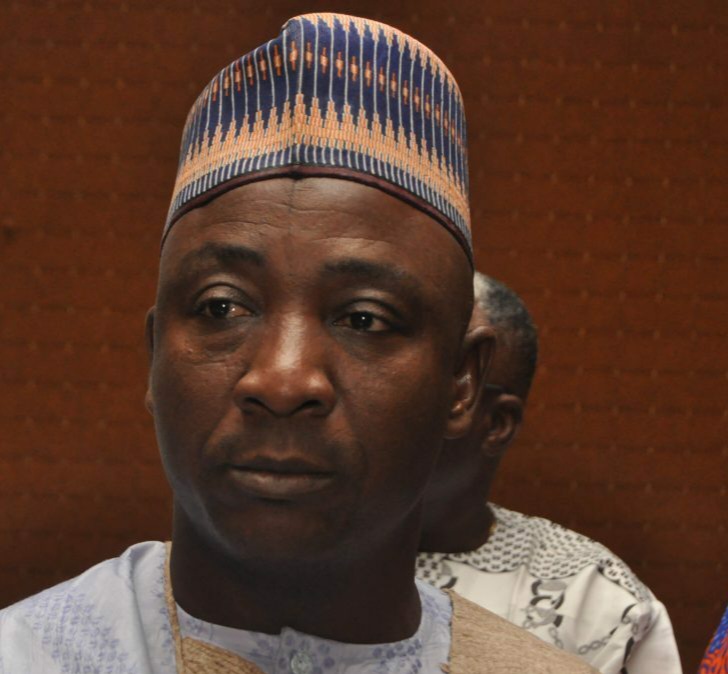
The investigation also lands at a sensitive time for NFF President Ibrahim Gusau, who is seeking another term in office ahead of the federation’s planned elective congress.
Although the NFF has dismissed reports of interference, there have been claims that moves are being considered within the sports sector to halt the election process and possibly introduce a normalisation arrangement for the federation.
For now, EFCC and ICPC are digging into the paper trail of the controversial football bailout, with questions mounting over whether the funds achieved the purpose for which they were released.
Don’t Miss Out! Join our WhatsApp Channel for instant news updates. Click here to join
ALSO READ: